
Broadcast Production Program
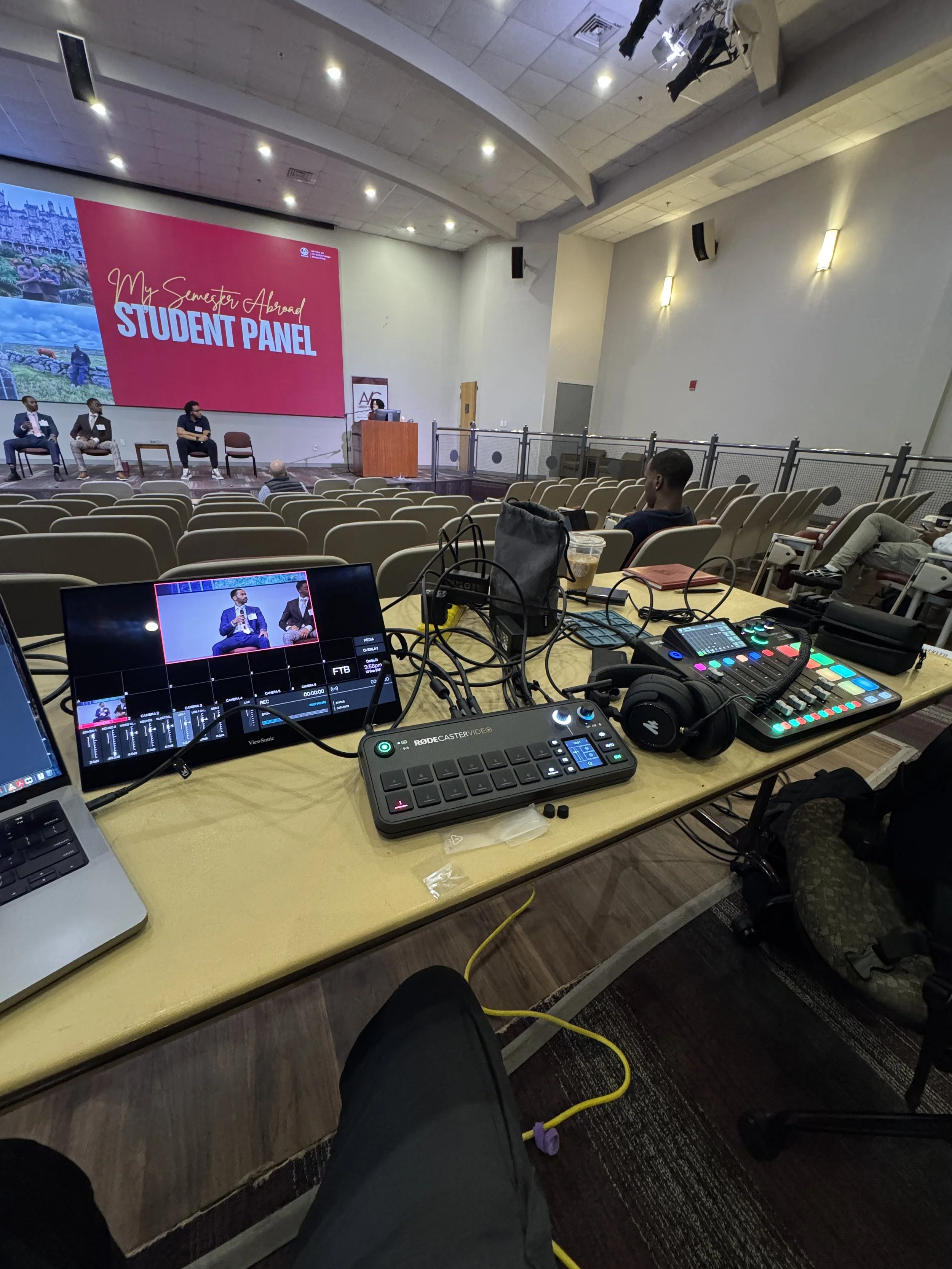
Go beyond the classroom with hands-on experience in every aspect of broadcast production. Our program develops technical skills in both live and pre-recorded broadcasts. Students will learn multi-camera setups and graphic integration, as well as on-air roles like sports commentary and reporting. This program directly supports the Morehouse Athletics Department via the Maroon Tiger Sports Network.
Roles & Responsibilities
-
Audio Engineer
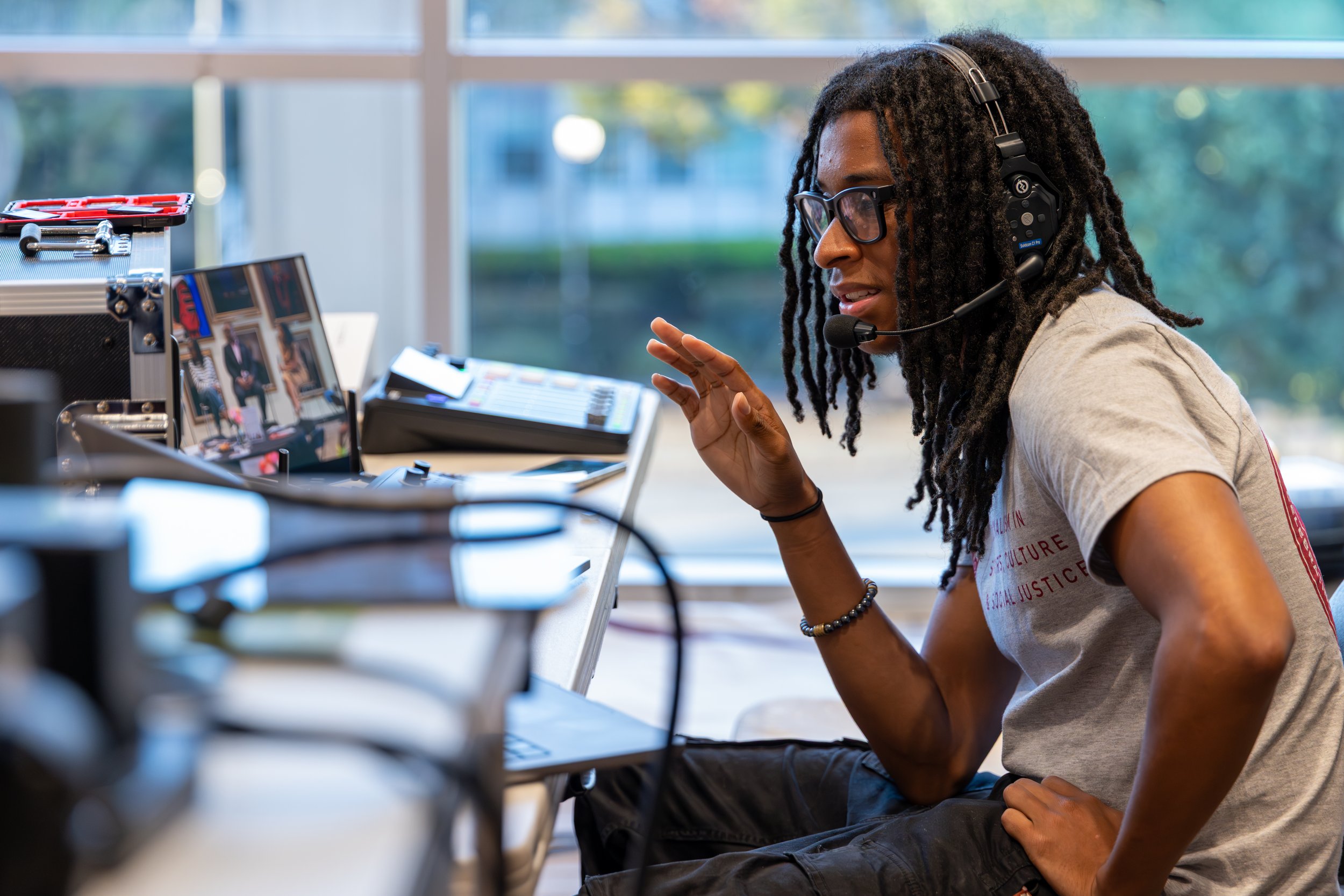
The master of sound. You will manage the audio mixing board to ensure everything the audience hears—from talent microphones to background music, video clips, and sound effects—is clear, balanced, and perfectly leveled.
-
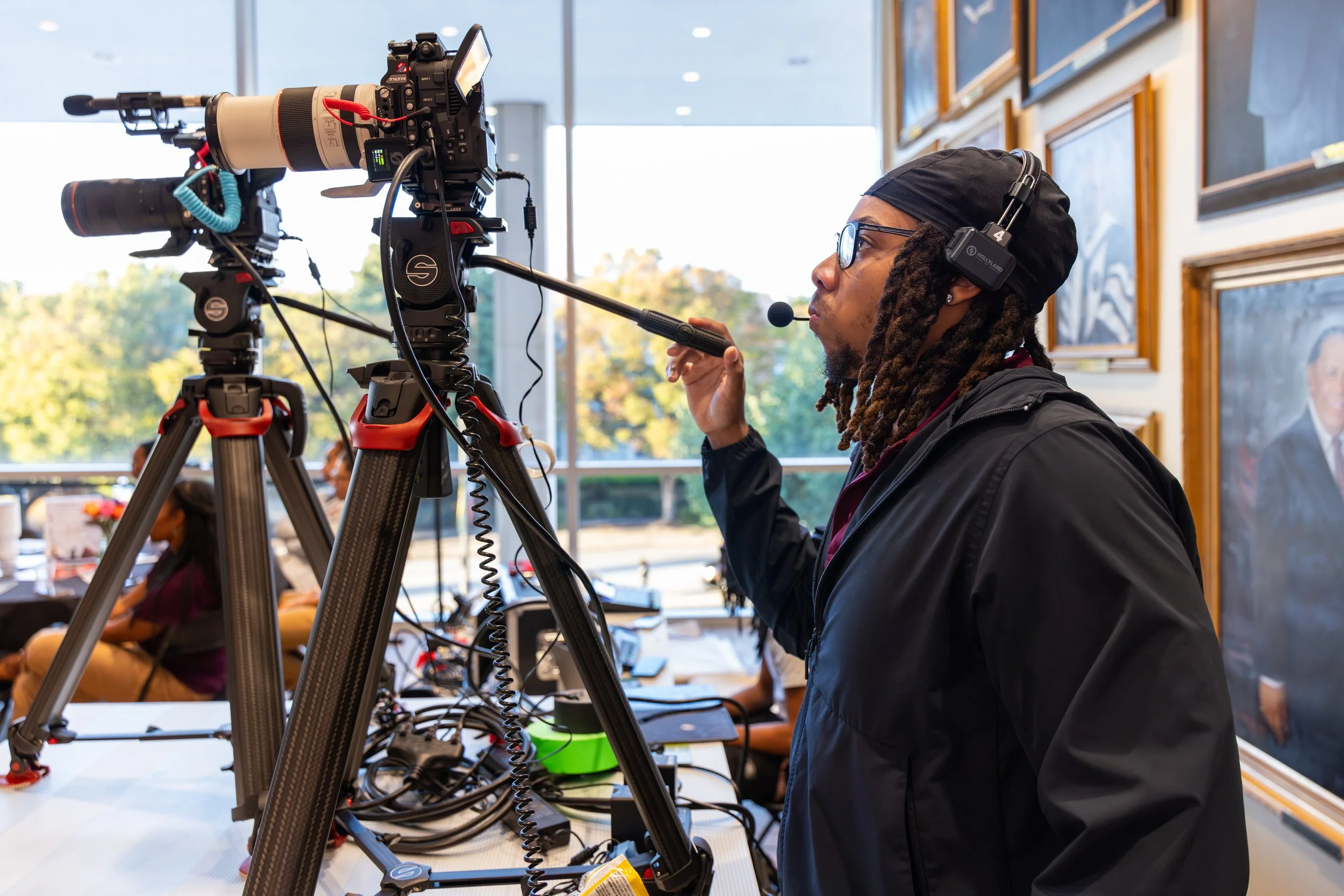
Camera Operator
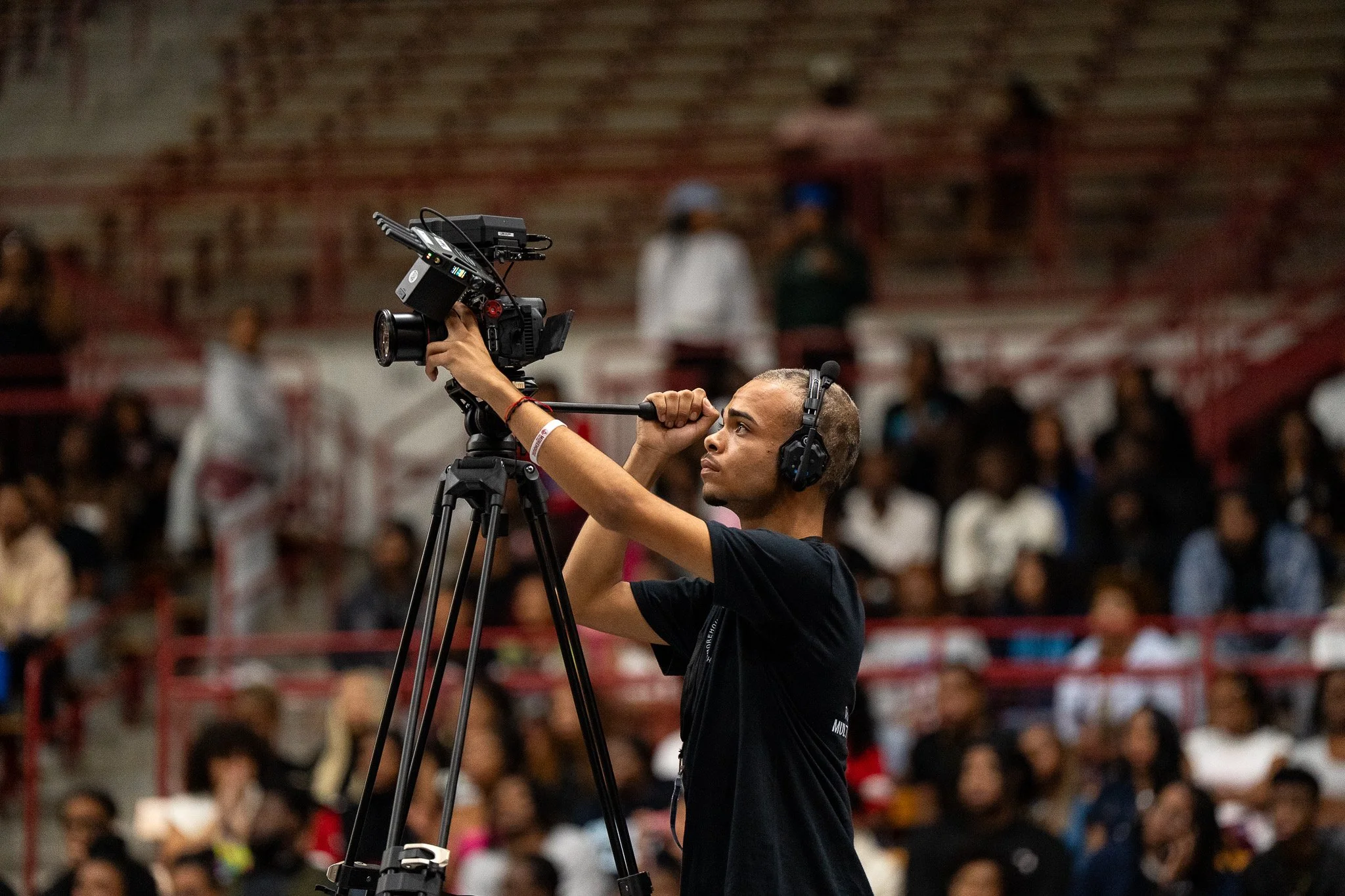
The Camera Operator is responsible for all camera equipment. Their duties include setting up cameras, tripods, and other equipment like cranes. They operate the cameras, ensuring everything is in focus and framed correctly, quickly follow the director's cues so the audience never misses a critical moment.
-
Replay Operator
The quick-thinking storyteller. You will continuously monitor live camera feeds to capture, clip, and queue up instant replays and highlight packages on the fly, rolling them back for the audience at a moment's notice.
-
Producer
The Producer is the backbone of the entire project, handling the practical, financial, and logistical aspects. They are responsible for budgeting, creating schedules, and coordinating all the different production departments. They work closely with the director and designers to ensure the project stays on budget and on schedule. A key part of their role is building and motivating a collaborative team, overseeing all meetings, rehearsals, and overall production preparation.
-
Floor Manager
The Floor Manager is the essential link between the control room and the people on the studio floor, including presenters, talent, and the audience. Wearing an earpiece and microphone, they are in constant contact with the director, relaying cues and information to the talent while also providing real-time updates back to the control room. They are responsible for making sure everything on the studio floor runs smoothly.
-
Production Designer
The Production Designer is responsible for the overall visual look and feel of the production. They set the tone for the entire set by reviewing the script and working with the director and producer to create the desired setting. They also manage the art department budget and schedule and must approve all finished sets and locations before shooting begins.
-
Audio Tech
The Audio Tech operates and maintains all sound equipment. They are responsible for recording, amplifying, and mixing sound. Their job involves identifying the sound requirements for each situation, setting up and testing equipment, and making necessary adjustments. They are involved in both production and post-production.
-
Lighting Tech
The Lighting Tech is a creative and technical role. They ensure subjects are lit appropriately and use lighting to create specific moods and emotions, from a relaxed atmosphere to tension and drama. Their work helps tell the story and can even foreshadow plot points or character arcs.
-
Vision Mixer
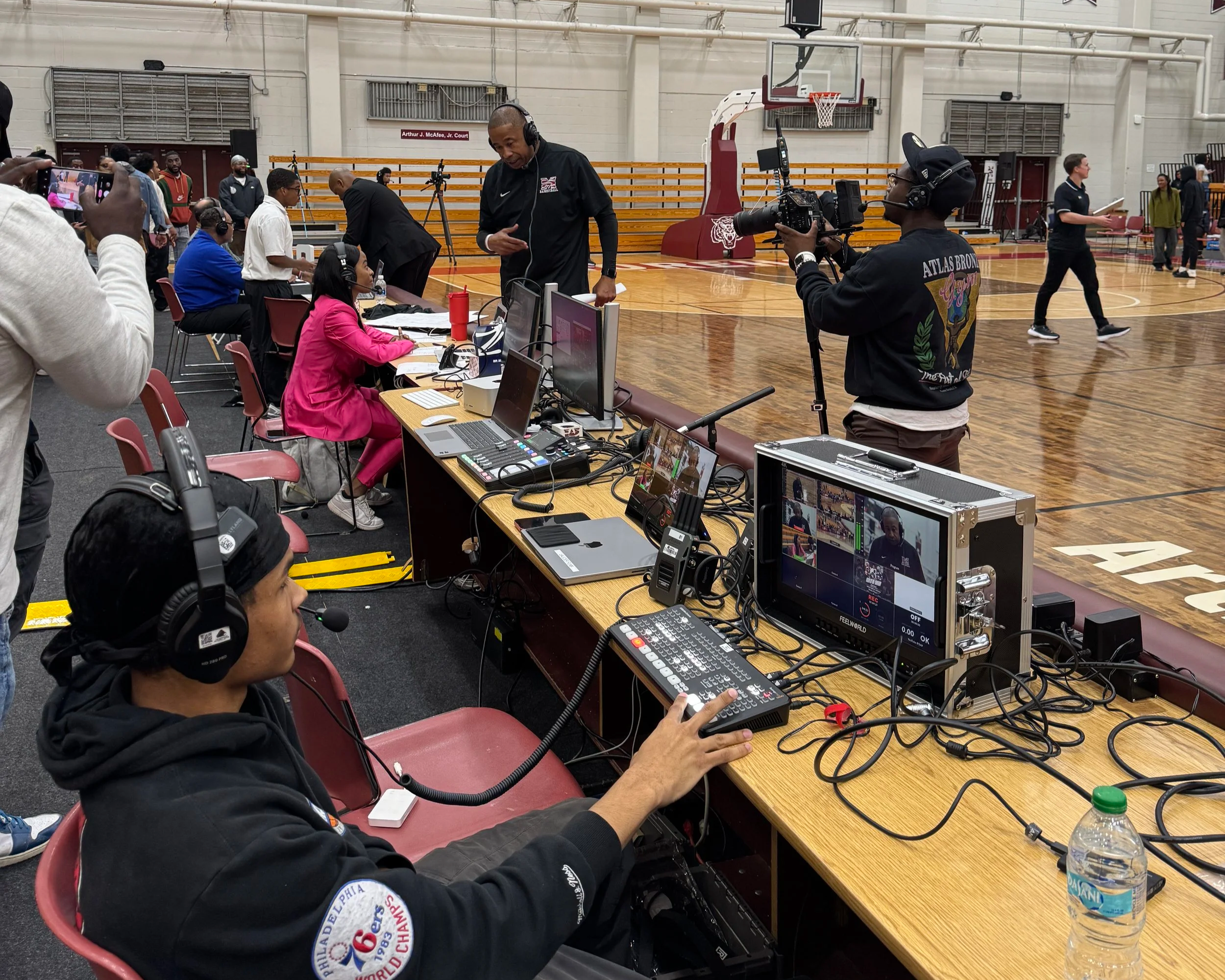
The visual conductor of the show. Switching between cameras, they are responsible for live-editing the show and must have quick response times. Sitting at the main control board (the switcher), you will physically press the buttons to cut between different camera angles, graphics, and pre-recorded videos exactly when the director calls for them.
-
Graphics Operator
You are responsible for building, updating, and triggering all the on-screen text, lower-third nameplates, stats, and full-screen data that give viewers the context they need during the live show.
-
Production Assistant
You will be the ultimate team player, helping with everything from managing cables and assisting camera operators to distributing scripts or run of shows, guiding guests, and solving unexpected problems to keep the production running smoothly.
-
Executive Producer
Holds the ultimate authority over the broadcast's overarching editorial vision, staffing, budget, and long-term strategy.
-
On-Air Talent
The face and voice of the broadcast. You will deliver information with confidence, engage the viewing audience, and smoothly guide the flow of the show while reacting quickly to live timing cues from the control room.
-
Sideline Reporter
The boots on the ground. Positioned right on the edge of the action, you will gather real-time updates, conduct live interviews, and deliver exclusive insights, atmosphere checks, and injury reports straight from the field or court.
-
Play-by-Play Announcer
The voice of the action. You will provide a fast-paced, real-time narration of the game as it unfolds, setting the scene, tracking the ball, keeping the energy high, and setting up your partner for deeper breakdowns.
-
Color Announcer (Analyst)
The expert analyst. You will break down the "why" and "how" of the game, stepping in between the live action to offer strategic insights, entertaining commentary, and deeper context that gives the audience a richer understanding of what just happened.